
Introduction
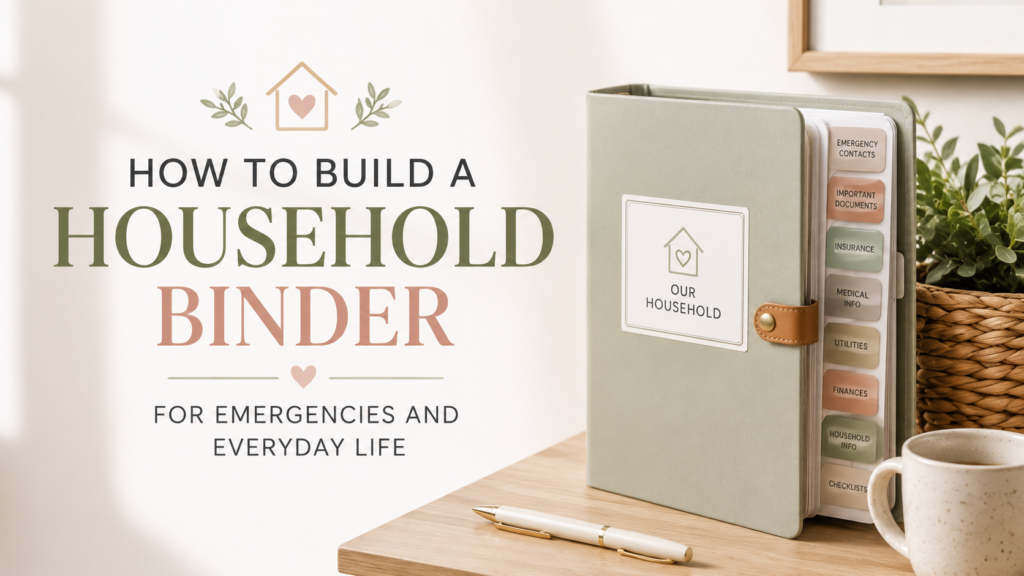
There is a particular kind of stress that comes from needing an important document during a genuinely urgent moment — a medical emergency, a sudden need to prove insurance coverage, a babysitter needing emergency contact information — and not knowing exactly where it is. Not lost, necessarily, just scattered somewhere among files, drawers, or digital folders that are not immediately accessible in the specific moment they are actually needed.
A household binder solves this by consolidating the genuinely important information every household needs — both for everyday reference and for the rare but real emergency situation — into a single, physical, easily accessible location. Not a comprehensive archive of every document you own, but a curated, deliberately selected set of the information most likely to be needed quickly, by you or by someone else standing in for you during an unexpected situation.
This guide covers exactly what to include, how to organize it for genuine usability rather than just tidy appearance, and how to keep it current without it becoming its own neglected project.
Why a Household Binder Genuinely Matters
It provides quick access during moments when quick access matters most. A medical emergency, an unexpected home issue, a babysitter needing information — these are precisely the situations where searching through scattered files or digital folders is least practical, and a single, known physical location matters most.
It allows someone else to step in during your absence. If you are unavailable — traveling, in a medical situation yourself, or simply unreachable — a well-organized binder allows another trusted person to access genuinely necessary information without needing you to personally locate and explain it in the moment.
It reduces the ongoing mental burden of remembering where everything is. Rather than needing to recall which specific folder, drawer, or digital location holds a particular piece of information, a single consolidated binder removes this recurring cognitive load.
It consolidates information that tends to be scattered across many different sources. Insurance details, medical information, financial account references, and household reference information typically arrive from many different places over time; a binder brings them together deliberately, rather than leaving them wherever they happened to originally land.
What to Include: Emergency Information
Emergency Contacts
Full names and phone numbers for immediate family, close friends who could assist in an emergency, and key professionals — doctor, pediatrician, veterinarian if relevant, and any specific specialists relevant to ongoing health needs.
Medical Information
Any known allergies, current medications, existing medical conditions, insurance provider and policy numbers, and preferred hospital or urgent care location for each household member.
Home and Utility Information
Location of the main water shutoff valve, electrical panel, and gas shutoff if applicable, along with utility provider contact information for reporting outages or issues.
Insurance Information
Policy numbers and contact information for home or renters insurance, auto insurance, and health insurance, along with a brief note of what each policy covers.
Legal and Identity Documents Reference
While original documents like passports or birth certificates should typically be stored more securely, a reference page noting where these originals are actually kept, along with key identifying numbers if genuinely needed for quick reference, can save considerable time during an urgent situation.
Financial Account Reference
A list of primary bank accounts, credit cards, and other financial accounts, noting the institution and account type without including sensitive full account numbers or passwords, which should remain stored more securely elsewhere.
What to Include: Everyday Reference
Household Schedules and Routines
A reference page covering regular household schedules — trash and recycling pickup days, regular cleaning routines, seasonal home maintenance reminders.
Key Passwords and Login Reference (Handled Carefully)
Some households include a reference to key accounts, though sensitive information like actual passwords is often better stored in a dedicated, secure password manager rather than a physical binder that could be lost or accessed by an unintended person. Consider what genuinely needs physical, quick-access documentation versus what belongs in a more secure digital system.
School and Childcare Information
Emergency contacts, school office numbers, and any specific care instructions relevant to each child, particularly useful for a babysitter or family member providing care in your absence.
Pet Information
Veterinarian contact information, feeding instructions, medication schedules if relevant, and any specific care notes useful for anyone looking after pets during your absence.
Home Maintenance Reference
Warranty information for major appliances, contact information for regularly used service providers — plumber, electrician, HVAC technician — and a simple maintenance schedule for recurring home tasks.
Meal and Grocery Reference
Family recipe favorites, any specific dietary restrictions or allergies relevant to meal preparation, and a running grocery list template, particularly useful if someone else is handling shopping or cooking during your absence.
Organizing Your Binder for Genuine Usability
Use clear section dividers with visible labels, allowing anyone to quickly locate a specific category without needing to search through the entire binder. A well-labeled structure is what allows the binder to be genuinely useful to someone other than yourself, including in a moment of genuine stress when quick, intuitive navigation matters most.
Place the most likely-to-be-urgently-needed information at the very front. Emergency contacts and medical information typically belong in the first section, immediately accessible without needing to navigate through less urgent, everyday reference material first.
Use page protectors for frequently referenced or genuinely important pages. This protects key pages from wear and tear given regular handling, and allows for dry-erase updates on certain reference pages without needing to reprint the entire page for minor changes.
Keep the binder in a consistent, known location that other household members and any regular caregivers are aware of. A binder that is genuinely well organized but stored somewhere inconsistent or unknown to anyone besides yourself loses much of its practical value during an actual emergency.
Consider a smaller, more portable version of the most critical emergency information for travel or situations away from home. While the full binder remains at home, a condensed card or small folder with the most essential emergency contacts and medical information can travel with you when away from your main household reference.
Keeping Your Binder Current
Do a full review every six months, checking for outdated contact information, expired insurance details, or other information needing updates. Setting a specific, recurring reminder for this review prevents the binder from gradually becoming outdated without anyone noticing until the information is actually needed and found to be incorrect.
Update immediately whenever a genuinely significant change occurs, rather than waiting for your next scheduled review — a new pediatrician, a change in insurance provider, a new medication. Immediate updates for significant changes prevent the binder from containing genuinely critical outdated information in the interim.
Involve other household members in knowing the binder exists and understanding its basic structure, even if one person remains primarily responsible for maintaining it. This ensures the binder can genuinely serve its purpose of allowing someone else to access necessary information, rather than being useful only to the person who created it.
Balancing Physical and Digital Information
Not every piece of household information belongs in a physical binder, and being thoughtful about this distinction matters for both security and genuine usability.
Highly sensitive information — full account numbers, passwords, social security numbers — is often better stored in a secure digital password manager or safe, rather than a physical binder that could potentially be lost, misplaced, or accessed by an unintended person.
Frequently changing information benefits from a digital format that can be updated instantly, while more stable, infrequently changing reference information — emergency contacts, insurance policy numbers, medical history — works well in a physical binder format that does not require any device or internet access to reference during an emergency.
A hybrid approach, with a physical binder for stable, essential emergency and reference information alongside a secure digital system for more sensitive or frequently updated details, often provides the most genuinely practical balance.
Using a Printed Household Binder Template
Building a household binder from scratch, deciding on every section and format independently, represents a meaningful undertaking on its own. A pre-designed template — with sections already structured for emergency contacts, medical information, home reference, and everyday household needs — considerably reduces this initial setup effort, allowing you to simply fill in your specific information within an already well-organized structure. Elabrille’s household binder templates are designed specifically around this comprehensive but genuinely usable structure, covering both emergency and everyday reference needs within one cohesive system.
Pulling It All Together
A household binder is not simply an organizational nicety — it is a genuine tool for reducing stress during exactly the moments when stress is already highest: a medical emergency, an unexpected home issue, a situation requiring someone else to quickly access information you would normally handle yourself.
Include both emergency-critical information and genuine everyday reference material, organized clearly with the most urgent content easily accessible at the front. Keep it in a consistent, known location. Review and update it regularly, and be thoughtful about what belongs in a physical binder versus a more secure digital system for genuinely sensitive information.
Frequently Asked Questions
What should be included in a household emergency binder?
Essential emergency information typically includes emergency contacts, medical information for each household member, home utility shutoff locations, insurance policy details, and a reference to where key legal documents are stored. Everyday reference sections often include household schedules, school and childcare information, pet care details, and home maintenance references.
Should I include passwords and account numbers in my household binder?
Highly sensitive information like full account numbers, passwords, and social security numbers is generally better stored in a secure digital password manager or a safe, rather than a physical binder that could potentially be lost or accessed by an unintended person. Reserve the physical binder for more stable reference information that does not carry the same security sensitivity.
How often should I update my household binder?
A full review every six months is generally sufficient for most information, though you should update immediately whenever a genuinely significant change occurs, such as a new healthcare provider, a change in insurance, or a new medication, rather than waiting for your next scheduled review.
Where should I keep my household binder?
Keep it in a consistent, known location that other household members and any regular caregivers are aware of, ideally somewhere easily accessible during a genuine emergency situation. A binder that is well organized but stored somewhere inconsistent or unknown loses much of its practical value.
Do I need a household binder if I already have most of this information saved digitally?
A physical binder still offers genuine value, particularly for emergency-critical information, since it does not require a device, internet access, or your own memory of where digital files are stored to be accessed quickly by yourself or someone else during an urgent situation. Many households find a hybrid approach — physical binder for stable emergency information, digital storage for sensitive or frequently changing details — provides the most practical balance.